Property Cleanout After a Tenant Leaves, Ashtabula County Junk Removal Q&A
Property Cleanout After a Tenant Leaves, Ashtabula County Junk Removal Q&A for Turnovers
Tenant move-outs can be routine, or they can turn into a full trash-out with furniture, bags, broken items, and leftover personal property. This Q&A style guide is written for landlords, property managers, and homeowners in Ashtabula County who need a practical, repeatable plan for a fast turnover. It also explains how a local junk removal team like Bushnell Junk Removal can fit into your make-ready workflow.
Q1, What exactly is a “property cleanout” after a tenant leaves?
A property cleanout is the removal and hauling of unwanted items left behind after move-out. In turnover situations, it often includes removing bulk furniture, bagged trash, mattresses, broken appliances, scattered debris, and outdoor junk from yards, garages, sheds, basements, and curb areas. A cleanout is different from general housekeeping because the primary goal is to clear volume and weight so repairs, deep cleaning, painting, and showings can happen quickly.
Q2, What should I do first when I get the keys back?
Start with safety, documentation, and a quick decision tree. This prevents disputes and avoids wasted trips when contractors arrive.
- Confirm utilities status, especially electricity for safe inspection and working lights.
- Do a walkthrough with photos and short videos, before moving anything.
- Look for urgent hazards, pests, mold, drug paraphernalia, leaking chemicals, or spoiled food.
- Separate “must keep” items from “remove” items using one room or a clearly marked corner.
- Decide whether you need a same week cleanout or a staged cleanout, for example remove trash first, then contents, then construction debris.
Q3, How do I document the unit before junk removal starts?
Use high volume documentation rather than a few photos. Take wide shots of each room, then close-ups of damages and any valuables. Include serial numbers on appliances if they are yours, and capture the condition of floors and walls. If items appear to be personal property rather than trash, document those separately. For landlords in Ashtabula County, clear documentation helps with deposit accounting and reduces “you threw away my stuff” pushback.
Q4, What about abandoned property rules in Ohio, can I just throw everything out?
Ohio landlord-tenant rules and local practices can affect how you handle tenant belongings, especially if an eviction is involved or if the tenant claims they will return. Because it is easy to make an expensive mistake, treat this as general information, not legal advice. Many owners use a cautious approach:
- Confirm possession status, for example keys surrendered, written notice, or court order completed.
- If you are unsure, ask your attorney or property management counsel about required notice and storage steps.
- Keep anything that looks obviously valuable or personally identifying separate until you are certain it is considered abandoned.
If you tell your junk removal team that certain items must not be removed, a professional crew can work around a “do not touch” zone. Clear labeling helps.
Q5, When does a cleanout become urgent, and not something I should wait on?
Cleanouts become urgent when delaying removal increases repair costs, increases pest risk, or delays rent readiness. In Ashtabula County turnovers, the biggest cost multiplier is time.
- Soft trash and food waste that can attract rodents or insects.
- Wet materials, carpet, or furniture that can grow mold.
- Blocked exits or fire hazards, especially in multi-family buildings.
- Piled items that prevent contractors from accessing plumbing, electrical panels, or water heaters.
- Outdoor junk that draws illegal dumping from neighbors or passersby.
Q6, Do I need a dumpster, or full-service junk removal?
It depends on labor, access, and time. A dumpster can be cost-effective if you have staff and time to load it. Full-service junk removal is usually better when you need speed, do not have labor on-site, or the property has stairs, tight hallways, or heavy items.
- Choose a dumpster when you have a crew, the property has a safe loading area, and you can control filling pace over several days.
- Choose full-service when you want an out-in-one-day solution, or when the job includes bulky furniture, basement items, or mixed debris that is time-consuming to sort.
- Choose a hybrid approach when renovations are planned, for example junk removal first, then a dumpster for construction debris.
Q7, What types of items are typically removed during a tenant turnover cleanout?
Most turnovers involve a predictable mix of bulk items and bagged waste. A cleanout crew can remove and haul common items such as:
- Couches, recliners, dressers, bed frames, and tables.
- Mattresses and box springs.
- Bagged trash and loose household debris.
- Clothing, toys, small appliances, and miscellaneous clutter.
- Carpet rolls, padding, and small amounts of flooring pulled during turnover.
- Garage and shed contents, including scrap wood and rusted equipment.
- Yard debris mixed with man-made junk, such as plastic chairs, fencing pieces, or old grills.
Q8, What items might a junk removal company not be able to take?
Restrictions vary by disposal facility and safety rules. Common problem items include chemicals and special wastes. If you are scheduling with Bushnell Junk Removal, ask during intake so the crew shows up with the right plan or recommends a drop-off option.
- Wet paint, solvents, automotive fluids, and unknown chemicals.
- Propane tanks, fuel cans with fuel, and some compressed gas cylinders.
- Needles, medical waste, and biohazard materials.
- Asbestos-containing material, sometimes found in older flooring, insulation, or pipe wrap, which requires specialized handling.
If these items are present, the safest move is to isolate them and ask for guidance. Many landlords keep a simple “hazard corner” in a garage until proper disposal is arranged.
Q9, Can you remove appliances, and what about refrigerants?
Large appliances are a common turnover item, especially when tenants leave behind broken refrigerators, stoves, washers, or dryers. Many junk removal teams can haul appliances, but refrigerators, freezers, and some air conditioners involve refrigerant handling rules. A reputable hauler will follow disposal requirements, which often means taking these items to the correct facility rather than throwing them into general debris.
Q10, How do you handle heavy furniture, basements, and tight staircases?
Professional cleanout crews plan the path out before lifting. This reduces the risk of wall damage, protects railings, and speeds up the job. For older Ashtabula County homes with narrow basement steps, the crew may:
- Disassemble furniture where possible.
- Use dollies, shoulder straps, and protective moving blankets.
- Create a staging area near the exit to keep hallways clear.
- Load efficiently so the truck is packed safely and fewer trips are required.
If you are worried about scuffs, point out freshly painted areas, new flooring, or weak porch steps when the crew arrives.
Q11, What if the unit is a hoarding situation or a severe trash-out?
Hoarding-level jobs are more about process and safety than raw strength. Expect additional time for sorting, walkway creation, and careful removal. For these turnovers, it helps to identify your main goal upfront:
- “Full reset” cleanout to bare floors for renovation.
- “Targeted clear-out” of kitchens, bathrooms, or bedrooms first to enable inspections and repairs.
- “Save list” salvage, such as keeping appliances, recent furniture, or owner-provided items.
In heavy debris situations, communication matters more than anything. A quick onsite assessment often prevents surprises about volume and labor.
Q12, What about bed bugs, roaches, mice, or contaminated furniture?
Pest activity changes how you should handle soft items and clutter. If infestation is suspected, avoid dragging upholstered items through common hallways. Bagging, wrapping, and direct-to-truck routes reduce spread. In some cases, you should coordinate pest control first, then schedule debris removal. Tell your hauler what you have seen so the crew can show up prepared with protective materials.
Q13, Can you donate usable items from a turnover cleanout?
Sometimes yes, especially when the unit contains decent furniture, household goods, or unopened supplies. Donation depends on condition, local acceptance rules, and time. If your priority is a fast turnover, donation might be limited to the easiest items to handle. Many property managers prefer a “donate if convenient” approach:
- Donate items that are clean, functional, and easy to move.
- Recycle scrap metal when feasible, such as bed frames and appliances.
- Dispose of anything with stains, odors, or structural damage.
If you need donation receipts for accounting, ask what documentation is available. In many cases, donation facilities issue receipts, but not always with itemized values.
Q14, How is turnover junk removal pricing typically determined in Ashtabula County?
Most junk removal services price by volume, labor complexity, and disposal fees. In practical terms, the same truck load can cost more if it requires extra time, stairs, or special handling. Common factors include:
- How full the truck gets, for example quarter load, half load, full load.
- Number of large and heavy items, such as sleepers, sectionals, or waterlogged furniture.
- Carry distance, stairs, tight entries, and basement access.
- Sorting requirements, for example mixed debris, sharp hazards, broken glass.
- Special waste handling, such as mattresses, tires, or electronics, depending on local fees.
- Urgency, such as same-day or after-hours scheduling.
To avoid misunderstandings, ask for a written estimate range, what is included, and what items might trigger extra fees.
Q15, Can I get an estimate without an on-site visit?
Often yes, but it works best when you provide clear photos and scale. For example, take pictures from the doorway of each room, plus close-ups of piles. Include at least one photo that shows floor space so the crew can estimate cubic volume. If the property is in Ashtabula, Jefferson, Conneaut, Geneva, or nearby townships, an on-site estimate may be simple to schedule and can prevent pricing surprises.
Q16, How fast can a cleanout usually be scheduled, and how long does it take?
Scheduling depends on season and workload, but many turnovers can be handled within a few days when communication is clear. Duration depends on volume and access. A light cleanout might take one to two hours. A heavy trash-out can take most of a day or more. If you have a hard deadline, like a new tenant move-in or an inspection, state it early so the removal plan matches your timeline.
Q17, What should I do before the crew arrives to make the job faster and cheaper?
Even small prep steps can reduce labor time. If you are managing multiple units, this checklist can help standardize turnovers.
- Identify and remove anything you want to keep, including keys, remotes, manuals, or owner tools.
- Mark “do not remove” items with painter’s tape or signage.
- Unlock gates and clear parking access for a truck.
- Confirm which doors can be used, especially for basement or garage access.
- Turn on lights if available, and note any non-working fixtures.
- Contain sharp items if you can safely do so, for example broken glass in a labeled box.
- Provide a contact person who can approve decisions, especially if the unit has mixed keep and toss items.
Q18, Should I separate construction debris from tenant junk?
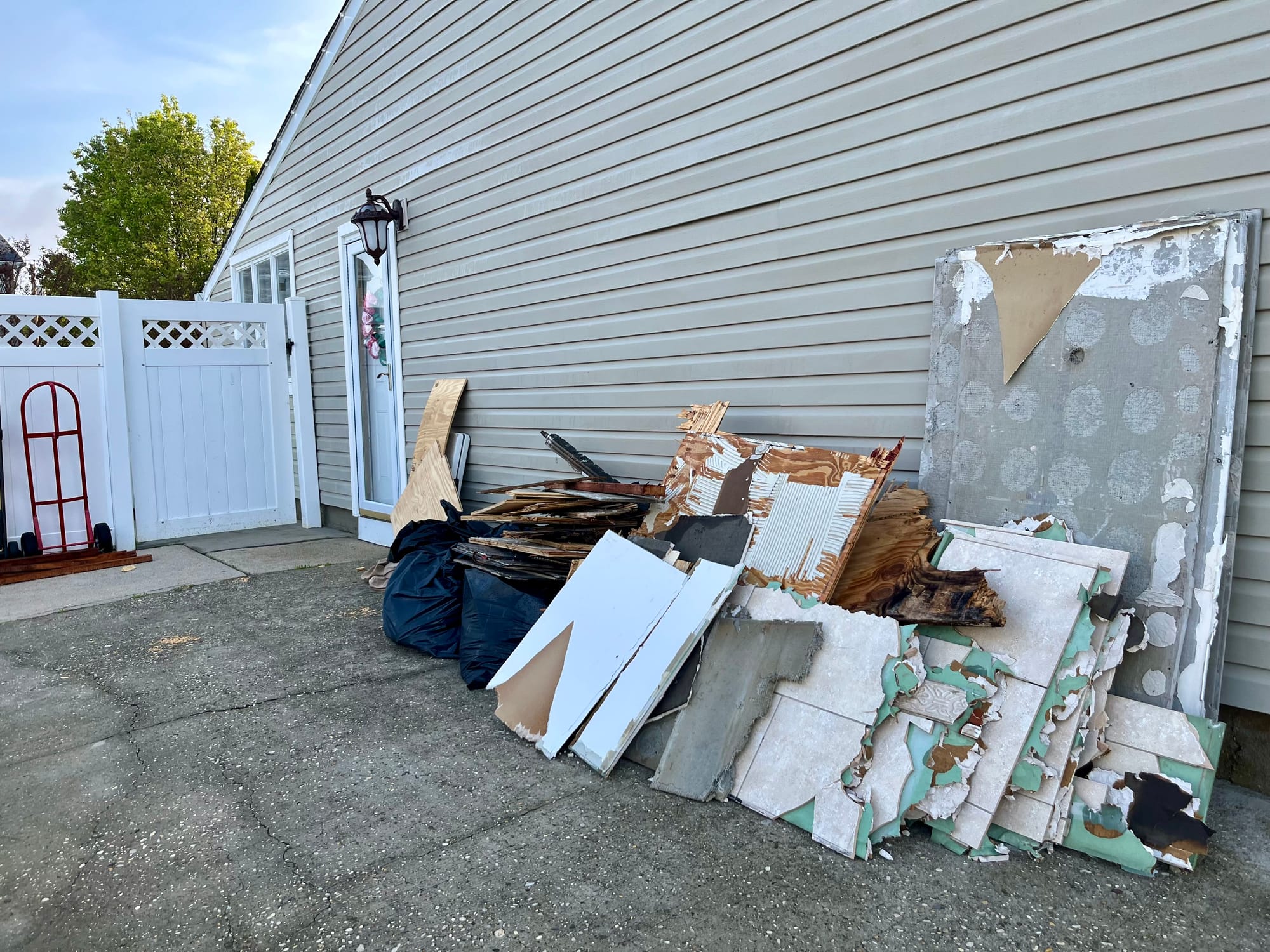
If you can, yes. Turnover work often includes both. Keeping materials separated can reduce disposal confusion and sometimes reduces cost. Examples of construction debris include drywall, flooring, old cabinets, and lumber. Tenant junk includes furniture, clothing, household trash, and personal items. If everything is mixed together, the hauler can still remove it, but sorting may take longer.
Q19, Can you remove junk from outside too, like yards, driveways, and illegal dumping piles?
Yes, exterior cleanouts are common in turnovers, especially when tenants leave curb piles or when neighbors add to a stack after move-out. Exterior work often includes:
- Porch and patio furniture, grills, and broken planters.
- Bagged roadside trash and scattered litter.
- Old fencing, playground pieces, and yard junk.
- Garage overflow and shed contents.
If you suspect illegal dumping, take photos before removal for your records. If there are identifiable labels, that can be useful documentation.
Q20, What about winter turnovers in Ashtabula County, snow, ice, and access issues?
Winter adds risk and time. Slippery steps and snow-covered walkways slow removal and can create liability. If possible, clear and salt the main paths before the crew arrives. If you cannot, inform the hauler so they can plan for additional precautions and time. Also check that porch steps, railings, and driveway edges are stable and visible.
Q21, Do I need to be there during the cleanout?
Not always. Many property managers prefer remote cleanouts, especially when handling multiple move-outs. If you cannot be present, provide:
- Written instructions on what goes and what stays.
- A clear method for access, such as lockbox code or meeting time.
- A decision-maker phone number for quick questions.
- Photo confirmation expectations, such as before and after photos of each room.
For complicated units with mixed personal property and trash, being on-site for the first 15 minutes can prevent costly mistakes.
Q22, How do I coordinate junk removal with cleaners, painters, and maintenance?
The cleanout is usually the first domino. After bulk items and trash are removed, your cleaners can deep clean, and your maintenance team can assess hidden repairs and odors. A common turnover sequence is:
- Junk removal and trash-out.
- Pest control treatment if needed.
- Deep cleaning, including appliances and bathrooms.
- Repairs, patching, and safety fixes.
- Painting and flooring.
- Final clean, then photos and listing.
If your contractors need access to a single room before the entire unit is cleared, mention that during scheduling so the crew can prioritize a path or a specific area first.
Q23, Can you help with “make-ready” standards, like leaving the unit broom clean?
Junk removal and cleaning are different services, but many owners simply need the space cleared and the debris gone. Ask what level of sweep-out is included. “Broom clean” often means the crew will pick up visible debris and sweep floors enough for the next trade to work, but it does not replace deep cleaning, stain removal, or disinfecting. Clarifying expectations upfront avoids gaps between the cleanout and your cleaner’s arrival.
Q24, What questions should I ask a junk removal provider before booking?
These questions help ensure you are hiring a dependable turnover partner in Ashtabula County.
- Do you provide written estimates, and what can change the price?
- Are you insured for property damage and worker injuries?
- Can you handle stairs, basements, and heavy items?
- Do you recycle metal and donate when possible?
- How do you handle mattresses, electronics, and appliances?
- Can you provide before and after photos if I am not on-site?
- What is your typical scheduling timeline for turnovers?
Q25, What should I do after the cleanout to protect my next turnover?
After the unit is empty, you can spot issues that were hidden by clutter. This is the best time to reduce repeat problems.
- Change locks and re-key as needed, including garage and side doors.
- Replace HVAC filters and check vents for blockage.
- Check plumbing shutoffs, under-sink leaks, and toilet seals.
- Inspect smoke and carbon monoxide detectors and replace batteries.
- Take “post cleanout” photos for your records.
- Update your move-out checklist and lease language based on what went wrong.
Q26, What are common mistakes landlords make during a tenant trash-out?
Most mistakes come from rushing without a plan. Common issues include removing items that should have been documented, underestimating the amount of labor needed, or letting curb piles sit for days. Another mistake is having multiple vendors show up before the unit is cleared, which leads to wasted minimum charges. Setting a cleanout appointment early and treating it as the anchor of the turnover schedule helps prevent delays.
Q27, How can I streamline cleanouts across multiple rentals in Ashtabula County?
Standardization is the secret. Use the same process every time, and build relationships with vendors who understand turnovers. Consider keeping a simple “turnover kit” in your vehicle or office with contractor bags, painter’s tape for marking, a flashlight, gloves, and printed checklists. If you manage properties across Ashtabula County, including rural areas, clustering cleanouts by location can reduce scheduling friction.
Q28, How do I schedule a turnover cleanout with Bushnelljunkremoval.com?
When you reach out, be ready with the property address, a rough description of what is left behind, and your desired timeline. Photos of each room and any exterior piles help the most. If there are special concerns, like a basement full of heavy items, suspected pests, or a “do not remove” area, mention it early. A good cleanout plan is built on clear boundaries and clear priorities, speed, safety, and getting the unit ready to rent again.
Final takeaway, fast cleanouts protect your timeline and your budget
In Ashtabula County, every day a unit sits full of junk is a day you cannot repair, clean, photograph, or show it. A well-run property cleanout is not just hauling, it is a key step in your turnover system. With the right documentation, a clear keep versus toss plan, and a reliable local junk removal partner, you can turn stressful move-outs into predictable, repeatable rent-ready outcomes.