You Bought the House, But the Stuff Came With It, A New Owner’s Cleanup Plan
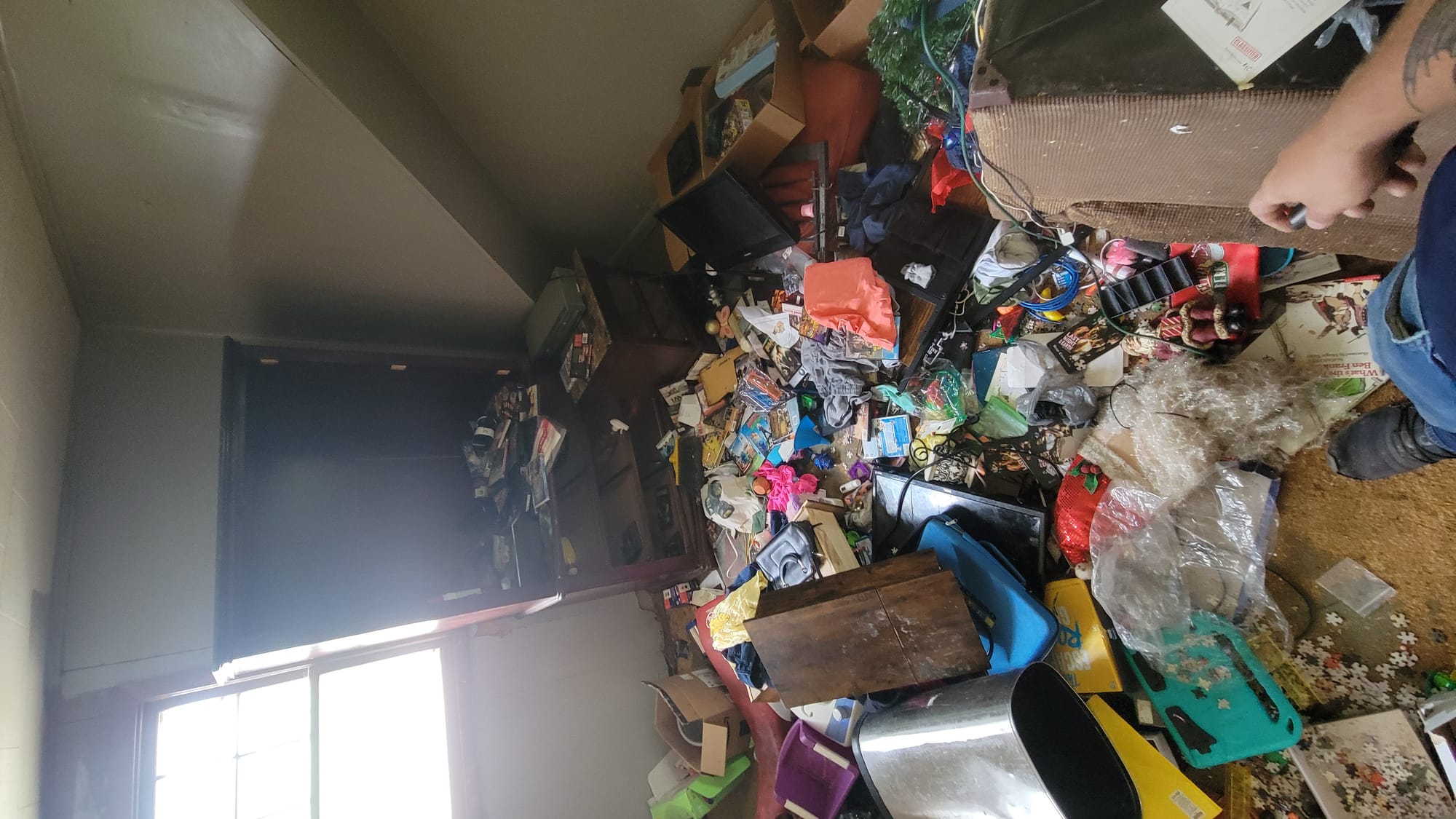
You bought the house. You did not buy the leftovers. And yet, when you get the keys and open the door, there it is, a garage packed with boxes, a shed full of broken tools, an attic with mystery bags, and a backyard that looks like it hosted three years of forgotten projects. If you are feeling a mix of anger, anxiety, and pressure to handle it immediately, you are not being dramatic. You are reacting like a normal new owner who expected a clean handoff.
This situation is common, especially after rushed moves, investor flips, tenant turnovers, or estate sales. The bad news is that the mess is now physically in your space. The good news is that you can approach it like a project instead of a personal insult. Below is a practical cleanup plan written in the spirit of advice columns, with a little opinion mixed in: your time, safety, and sanity matter more than any single item you did not ask for.
The real problem is not the junk, it is the uncertainty. Most new owners can handle hard work. What gets people stuck is not knowing what is safe to touch, what is valuable, what is legally yours, and what can be tossed without consequences. Uncertainty creates procrastination. Procrastination creates pile growth, because now you are moving in and stacking your own life on top of someone else’s.
So the goal is simple: reduce uncertainty quickly. That is why this plan focuses on triage, rules, and timelines. Not perfection.
Step 1, confirm what you agreed to, then stop reliving the negotiation. Before you haul a single bag to the curb, take 20 minutes to check your paperwork. Look at the purchase agreement and any addenda about personal property, repairs, or “broom clean” terms. If the contract promised the home would be empty and it is not, document it. Take clear photos of each area, wide shots plus close ups. Save them in a folder labeled with the closing date.
Then call or email the appropriate contact, usually your agent, the listing agent, or the closing attorney. Ask a narrow question: “What is the procedure and timeline for requesting removal or compensation for abandoned items?” This is not about revenge. It is about options. Sometimes the seller will pay for removal, sometimes a deposit or credit is available, sometimes it is not worth the delay. But you will feel better when you know the lane you are in.
My opinion, do not let the contract dispute become your whole move in story. Handle the paperwork, then move on to cleanup planning. Your home is not a courtroom exhibit. You deserve to settle in.
Step 2, do a safety sweep before you do a sorting sweep. New owners often start touching things immediately, especially if they are excited to “get it done.” Slow down. Abandoned items can hide hazards. Your first pass is about preventing injury and property damage.
- Wear gloves, closed toe shoes, and a mask if there is dust or possible mold.
- Turn on lights, open doors slowly, watch for pests, droppings, or nests.
- Look for sharp objects, broken glass, needles, or exposed nails.
- Identify chemicals and fuels: paint, solvents, pesticides, propane tanks, motor oil, pool chemicals.
- Do not disturb suspected asbestos materials or heavy mold growth. Get professional guidance.
- Check for water leaks under sinks, behind appliances, and in basements before storing anything.
If you find hazardous materials and you are not sure what they are, isolate them. Put them in a well ventilated spot away from kids and pets and label them “Do not touch.” Many counties have specific drop off rules for household hazardous waste, and trash pickup may refuse it.
Step 3, pick a staging zone and create five decisions. The fastest way to lose momentum is to decide item by item in the room where you found it. That turns every corner into a debate. Instead, choose one staging zone, like the driveway, garage front, or a cleared room. Then commit to five categories. Write them on paper and tape the signs up.
- Keep
- Sell
- Donate
- Recycle
- Trash and debris
These are not moral categories. They are logistics categories. If you are tempted to add more, resist. The point is speed and clarity. You can always refine later, but the first job is to create flow.
Step 4, start with the “easy outs” to build capacity. The piles that feel most offensive are often the hardest to resolve because they are mixed, heavy, or unknown. Start with the low emotion, low decision items that clearly leave the property. This builds space, literally and mentally.
- Obvious trash, empty containers, broken plastic, torn cardboard
- Bagged yard waste, rotted lumber scraps, rusted metal that has no reuse value
- Duplicate items you already own and do not want, like cheap hangers or random mugs
- Packaging, old newspapers, and soaked or moldy textiles
As you clear, do not scatter small trips to the dump across your week. Stack the work. Fill a designated trash zone first, then schedule disposal. Cleanup is faster in batches than in constant back and forth.
Step 5, handle “maybe valuable” items with a timer, not a fantasy. The most common cleanup trap is the “this might be worth something” pile. It grows because it is fueled by hope and avoidance. Use a rule: you get a limited research budget.
- Set a 60 minute timer to search brand names and comparable sales for the whole pile, not each item.
- If you cannot identify clear value quickly, it goes to donate, recycle, or trash.
- Keep a small “sell box” only. When it is full, list those items. No overflow allowed.
This is advice I give with full confidence: if you are moving into a new home, your time is usually worth more than squeezing a few dollars out of abandoned stuff. Profit is not profit if it costs your weekends for a month.
Step 6, plan disposal around what your area actually accepts. Most new owners assume everything can go in the curb bin or one dump run. Then they discover restrictions on mattresses, appliances, tires, paint, refrigerators, or construction debris. Call your local waste provider and ask for the rules, or check their website. Specifically ask about bulk pickup, appliance disposal, electronics recycling, and yard waste guidelines.
This matters because your cleanup plan should match the exit paths available to you. If bulk pickup is only once a month, you might need a different solution. If you have a tight move in timeline, renting a trailer or hiring a debris removal service can be more cost effective than repeated trips and fees.
Step 7, tackle the house in a smart order. Cleaning out the attic first feels heroic, but it often makes daily life harder. Start where you need to live. Think of it as creating “habitable zones” before you chase perfection.
- First: entryways, kitchen, bathrooms, bedrooms
- Second: living areas and closets
- Third: garage, shed, attic, crawl spaces
- Fourth: yard piles and exterior debris
Each zone you finish should end with basic cleaning. Sweep, wipe surfaces, and remove odors. A cleared but dirty room still feels unfinished, which drains motivation.
Step 8, know when it is not a DIY job. Some leftovers are just annoying. Others are heavy, hazardous, or too large for a normal vehicle. Here are signs you should bring in help rather than risking injury or weeks of stress:
- Multiple large items like couches, mattresses, appliances, or hot tubs
- Piles of mixed debris, including wood, metal, and bagged trash
- Yard waste and storm debris filling a side yard or fence line
- Evidence of pests, animal waste, or unknown liquids
- You are facing a deadline, like a move in date or a renovation start
If you are in a situation like that, a dedicated debris removal service can remove, haul, and dispose of items in one coordinated visit. For property owners who want a straightforward cleanout, companies like Bushnell Junk Removal, found at Bushnelljunkremoval.com, typically handle property cleanouts, furniture removal, appliance removal, junk hauling, yard waste disposal, and similar heavy lifting so you can focus on moving in and making the place yours.
Step 9, use a two day timeline, not an endless project. Here is a realistic new owner cleanup timeline that keeps you from living in limbo.
Day 1, assessment and quick wins
- Take photos and confirm contract terms.
- Do the safety sweep.
- Set up the five categories and staging zone.
- Clear obvious trash and open up pathways.
- Identify items needing special disposal: chemicals, tires, electronics, appliances.
Day 2, execution and scheduling
- Finish sorting room by room, starting with livable spaces.
- Bag and consolidate, do not leave small piles everywhere.
- Schedule bulk pickup, landfill run, donation drop off, or a junk hauling appointment.
- Do a final sweep and basic clean of completed rooms.
After those two days, you may still have a garage corner or attic shelf to handle later, and that is fine. What you should not have is a whole house held hostage by leftover stuff.
Step 10, prevent the leftovers from becoming your new normal. This is the part that rarely gets said out loud: when someone else’s belongings are in your home, it can subtly affect your identity as the owner. You feel like you are “staying” there rather than living there. The fastest way to change that feeling is to claim one clear area as yours immediately.
- Set up your bed and nightstand.
- Unpack the coffee maker or a simple kitchen setup.
- Hang one piece of art or put up one shelf.
- Clean the front porch and put out a welcome mat.
These small actions send a message to your brain: the transition is complete. The leftovers are a task, not the definition of the home.
A final word of advice, do not let guilt hijack your decisions. New owners sometimes feel guilty throwing away items that look usable. But you did not create the waste stream. You are simply managing it responsibly. Donate what is truly donatable, recycle what is accepted, dispose of the rest legally and safely. Then move on. Your job is to steward your property, not to curate someone else’s postponed decisions.
If you follow this plan, you will trade a messy, stressful problem for a sequence of clear actions. That is the real win. Not just an empty garage, but the feeling that you are in charge of your home from day one.